Creating the Perfect Custom Vegetable Boxes: A Methodical Approach
Constructing custom produce boxes requires a strategic approach. Specialists must assess sustainability, practicality, and aesthetics. Choosing the suitable materials is essential for maintaining quality and advancing eco-friendly methods. Moreover, dimensions and shape can greatly impact ease of use and shipping efficiency. Compelling graphics enhance brand recognition, while thorough testing ensures durability. Understanding these components will reveal key knowledge into producing remarkable packaging approaches that resonate to consumers. What comes next is essential to accomplishing those targets.
Picking the Ideal Resources for Custom Produce Boxes
When determining materials for custom produce boxes, it is important to examine both practical use and environmental consideration. The selection of material substantially shapes the box's wear resistance, weight, and ability to protect the contents. Common materials comprise corrugated cardboard, which offers strength and is able to be reused, making it a popular choice for eco-conscious businesses. Compostable options, such as molded pulp or plant-based plastics, also correspond with eco-conscious practices while providing ample protection for delicate produce.
Furthermore, moisture resistance is essential for preserving quality, encouraging some producers to investigate processed substrates or specialized coatings. The aesthetic appeal of the box should not be overlooked, as branding and visual presentation can affect consumer perception. Ultimately, the appropriate choice should find equilibrium between protecting the produce, appealing to customers, and adhering to environmental standards, ensuring both functionality and sustainability are prioritized in the development phase.
How to Find the Right Size and Shape for Practical Application?
When choosing the form and dimensions of custom produce boxes, careful assessment of produce measurements is essential for proper storage. Additionally, attention to handling and transport can impact the box design, ensuring ease of movement. Maximizing shelf space usage further enhances functionality, allowing for effective presentation and organization.
Review Produce Dimensions With Care
Determining the proper size and shape for vegetable containers is important for functionality and efficiency. Careful measurement of produce dimensions is essential, as it confirms that items fit firmly without extra room that might create damage during storage or transport. Specialized boxes need to handle multiple shapes, from soft berries to large vegetables, while maintaining robustness. Additionally, the length and depth of the boxes should allow for proper layering and systematic organization, making the best use of space in warehouse spaces. A quality-built box not only preserves the produce but also boosts consumer appeal for shoppers. Ultimately, meticulous planning of dimensions supports waste prevention and enriching supply chain experience in the logistics network.
Evaluate the Aspects of Handling and Transport
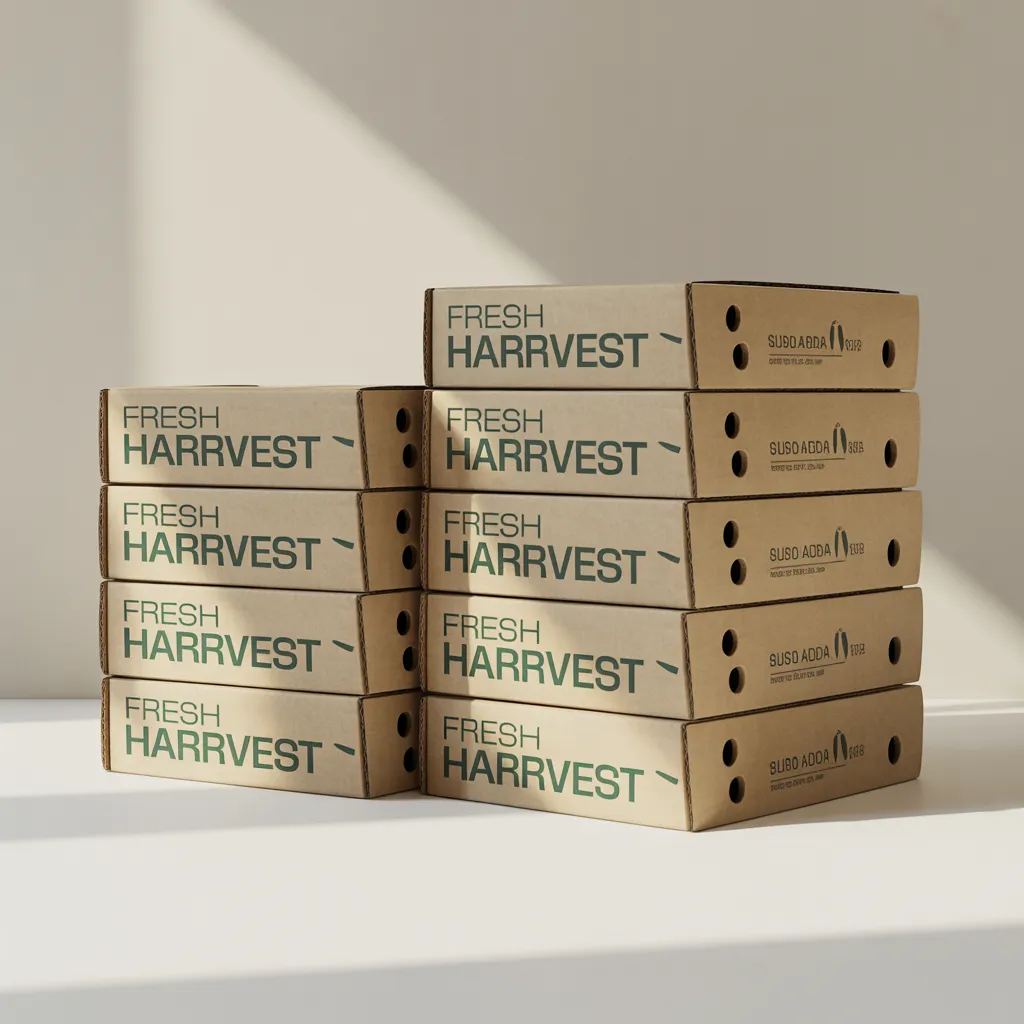
Handling and transport considerations serve as a considerable role in determining the suitable dimensions and shape of tailored agricultural packaging. The proportions should fit the produce without excessive space, this could result in movement and deterioration during transit. Smaller, compact boxes facilitate more straightforward handling, while larger boxes may become vital for oversized goods. Moreover, proper ergonomics proves critical; handles and access ports should be positioned deliberately placed to allow for comfortable lifting and carrying. The shape of the box also affects nesting and stability, confirming where products remain protected. Ultimately, careful consideration of these factors enhances the streamlining in shipping, lessens goods damage, and supports the overall quality concerning the agricultural goods commencing at orchard to consumer.
Maximize Display Space Usage
Effective storage space management is based on establishing the proper form and dimensions of purpose-built storage containers. Developers should factor in the dimensions of the shelving units as well as the sorts of produce being positioned. Rectangular boxes often solidify space optimization, allowing for smoother arrangement and stacking. Alternatively speaking, nonstandard shapes can heighten aesthetic quality but may lead towards wasted space if not thoroughly considered.
It's vital to assess the merchandise movement rate; products with slower velocity might take advantage of smaller, conveniently accessible containers. In addition, introducing modular or adjustable designs can enable multiple produce sizes while refining display organization. By centering on visual appeal combined with practicality, retailers can establish a functional and visually striking display that boosts both product accessibility and visibility.
How to Develop Graphics That Command Attention?
Compelling graphics can reshape a simple custom produce box into a beautiful showcase that attracts notice. To achieve this, designers should commence by selecting a color palette that conveys the freshness and brightness of the produce. Luminous, captivating colors can awaken feelings of freshness and health, motivating consumers to take a further look.
Strong typography proves equally vital; clear and legible fonts can properly convey essential information while enhancing aesthetic charm. Additionally, using excellent photographs of the merchandise can create an immediate connection, showcasing the item's superiority and enticing prospective clients.
Furthermore, incorporating original designs and artwork can help differentiate the brand in a congested market. Steadiness in design elements, such as logos and taglines, bolsters brand identity. Ultimately, a blend of creativity and clarity in graphic design can greatly boost the significance of custom produce boxes, making them stand out on shelves.
Environmentally Responsible Practices for Custom Produce Box Packaging
An increasing number of organizations are implementing eco-friendly solutions for custom produce box packaging, recognizing its necessity in today's green-minded market. These methods often include the use of biodegradable materials, such as recycled paper and plant-based plastics, which minimize environmental impact. Companies are also focusing on responsible procurement, ensuring that view this materials are obtained from responsibly managed forests or suppliers who prioritize environmental stewardship.
Also, many brands are selecting simple approaches that reduce waste while still effectively showcasing their products. This strategy not only appeals to environmentally conscious consumers but also helps in cutting production costs. Moreover, businesses are progressively establishing streamlined manufacturing processes that limit energy consumption and waste generation. By adopting these green practices, companies not only improve their brand image but also contribute positively to the planet, matching their operations with a sustainable future.
Evaluate Your Custom Produce Box Format
Evaluating the format of custom produce boxes is a key component in making sure they satisfy both visual and useful criteria. This approach typically involves examining aspects including durability, measurements, and functionality. First, prototypes should be made to test the container's structural integrity, verifying it is able to resist transportation and storage without weakening the goods.
Next, usability tests can be performed to determine how easily the boxes can be opened, sealed, and arranged. Feedback from prospective customers can be priceless in this phase, providing insights into the box's functionality.
Moreover, the visual attractiveness of the design should be assessed through focus group discussions or customer surveys, determining consumer reactions to brand identity elements, hues, and complete visual presentation.
In the end, comprehensive testing allows designers to refine the box, guaranteeing it not only attracts customers but also effectively protects and displays the produce within, striking the right equilibrium between form and function.
Efficiently Publicize Your Made-to-Order Produce Boxes
Effective advertising of personalized produce boxes requires a well-planned strategy that stresses their distinctive advantages and value. Organizations should focus on identifying their target audience, such as local farms, grocery stores, or individual consumers. Harnessing social networking sites can boost market visibility, showcasing the boxes' design and practicality through engaging visuals and storytelling.
Furthermore, teaming up with local influencers or farmers can boost reputation and extend reach. Presenting offers or price reductions during seasonal peaks can pull in new customers and stimulate customer loyalty.
Moreover, stressing environmental consciousness and green initiatives in advertising content can appeal to environmentally conscious consumers. Delivering detailed information about the materials used and the positive aspects of custom packaging can help differentiate the item in an increasingly competitive landscape.
Ultimately, a thorough promotional plan that integrates digital and local community initiatives will effectively promote custom produce boxes, attracting a diverse clientele and boosting sales.
Frequently Asked Questions
What Costs are Involved in Custom Produce Box Customization?
Charges concerning custom produce box design contain materials needed, printing, work hours, and shipping. Also, design services and minimum order quantities can determine total costs, creating different pricing structures based on unique needs and production size.
How much time Does It Take to Create Personalized Boxes?
The production of custom boxes generally requires between two to six weeks. Elements affecting this timeline include intricacy of design, availability of materials, and manufacturing capacity, all of which may impact delivery schedules and turnaround periods.
Is it Feasible to Order a Modest Volume of Custom Produce Boxes?
Yes, modest quantities of custom produce boxes can generally be secured. Many suppliers deliver minimum order quantities, making it possible for firms or consumers to obtain customized packaging solutions without needing to obligate to substantial amounts initially.
What Frequent Pitfalls Should You Steer Clear Of When Designing Custom Boxes?
Common pitfalls in custom box design feature neglecting functionality, ignoring brand consistency, underestimating material quality, failing to consider target audience preferences, and neglecting environmental impact. Each aspect is essential for quality packaging and customer satisfaction.
How Do I Verify That My Boxes Are Food-Safe?
To ensure boxes maintain food-safe status, individuals must pick compounds approved for food contact, eliminate harmful inks and adhesives, sustain cleanliness during production, and routinely evaluate for compliance with health regulations and safety standards.